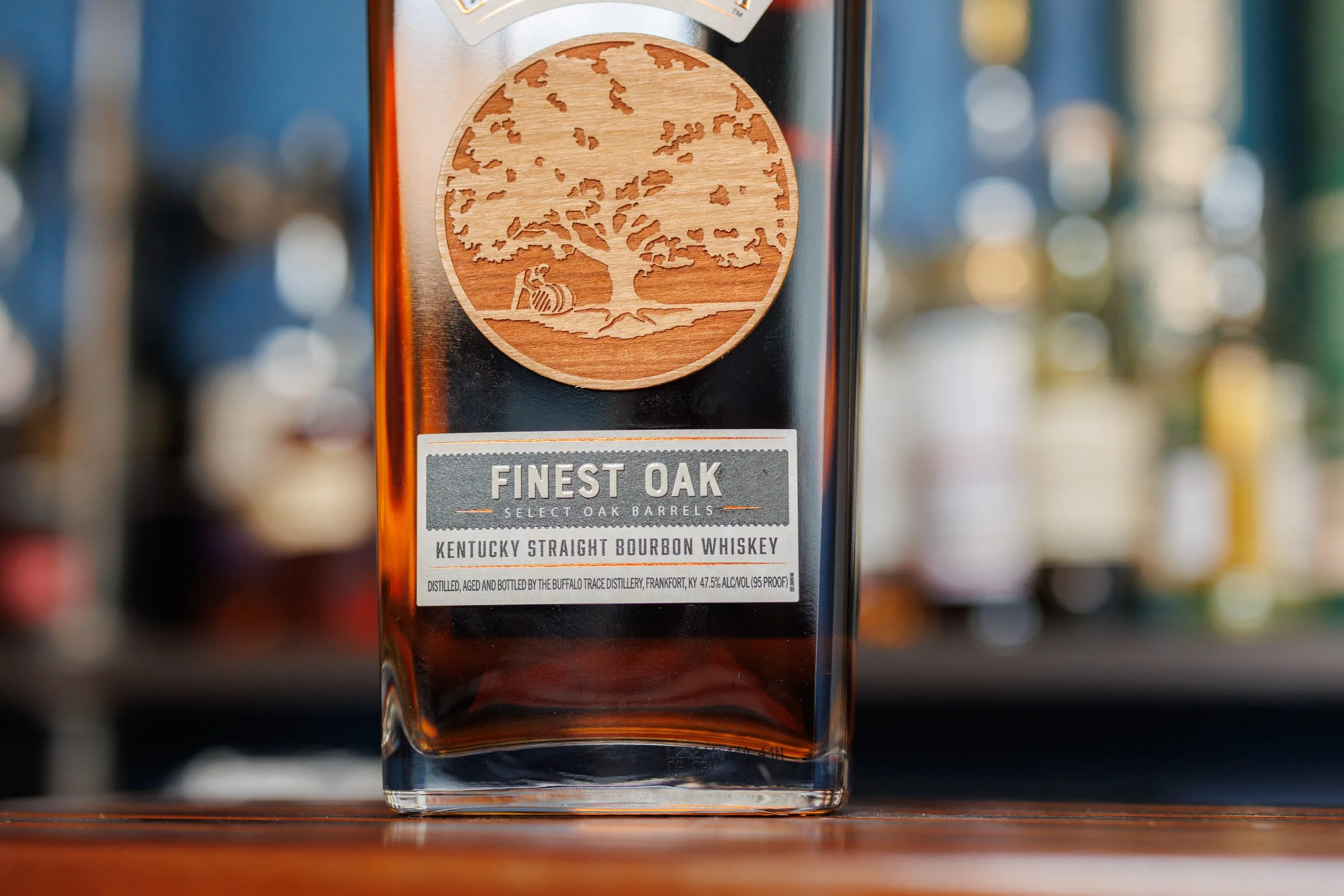
Old Charter Oak Finest Oak Review
In-Depth Review
This isn’t 2020 Buffalo Trace anymore. Seemingly gone are the days that anything featuring the Buffalo Trace logo would require giving up your first-born child to acquire. Instead, in 2026, the results of their production expansion are finally coming to market – in California at least. My local Costco is now stocking Buffalo Trace, Eagle Rare, and Weller Special Reserve regularly again. Even EH Taylor Barrel Proof is getting easier to come by at smaller liquor stores. The world is healing.
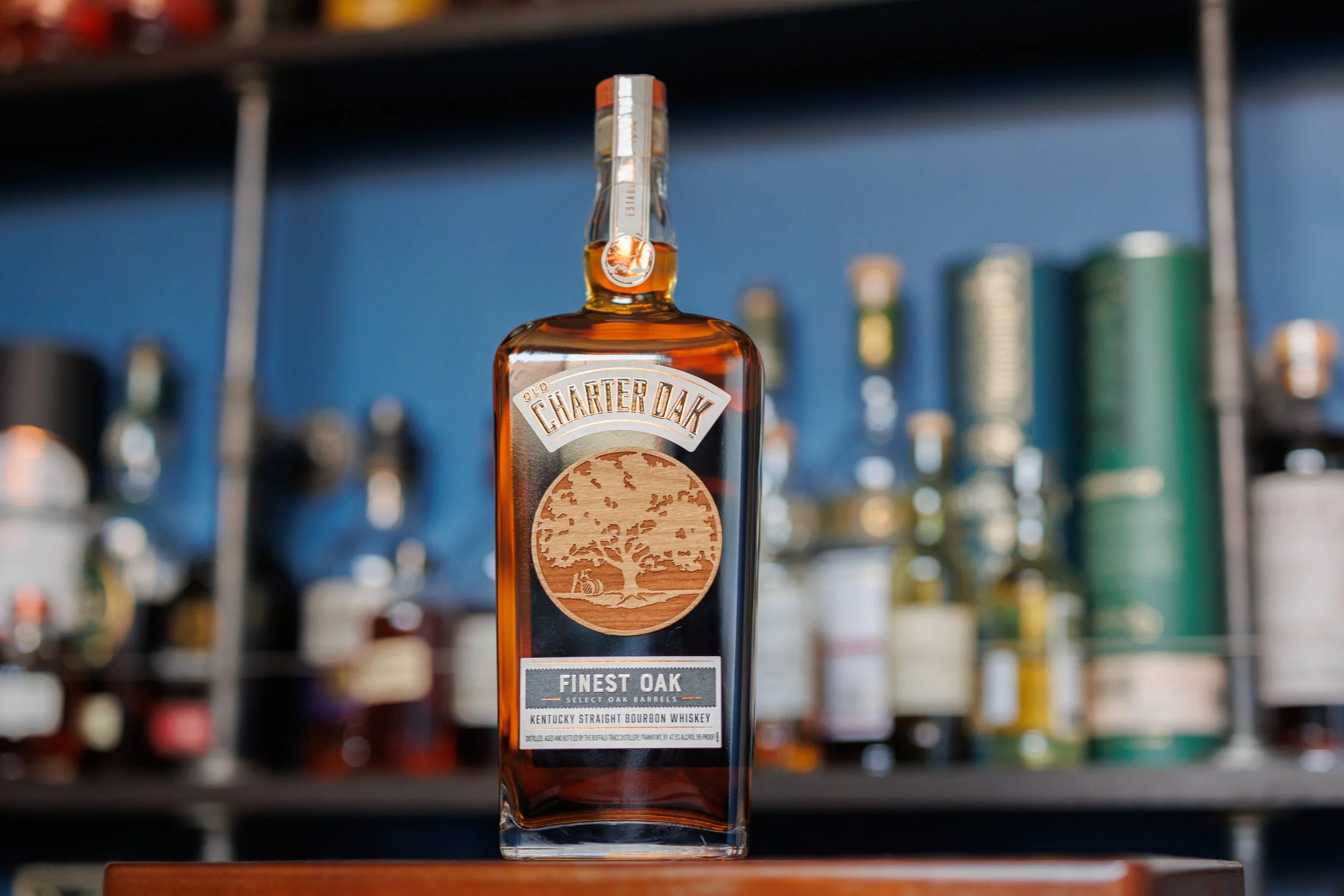
But what does this mean for Buffalo Trace’s more esoteric labels? Enter Old Charter Oak. Positioned as a more experimental expression, it’s designed to showcase the influence of varying types of oak. Old Charter has gone from being one of their older aged, stated product to one that unfortunately now leaves its age up to the imagination. There have been Charter Oaks focused on the impact of French, Mongolian, and Chinquapin wood, just to name a few.
But for 2026, there’s a new kid on the block – Old Charter Oak Finest Oak. And as you can guess from the repetitive name, this iteration is all about the oak – especially the fine kind. That’s where Canton Cooperage comes in. Located in Lebanon Kentucky, Canton Cooperage is known for producing incredibly high-quality barrels that can retail for 3x the price of a normal new oak barrel. Buffalo Trace purchased some of these fancy barrels back in the day and filled it with their distillate to age for an unspecified amount of time. After that, it was bottled at 47.5% ABV, and retails for around $80. And while it may not be the most sought-after bottle whispered about in whisky circles – these Old Charter releases have a track record of being pretty great. So, should you seek this one out? Let’s dive in and find out.
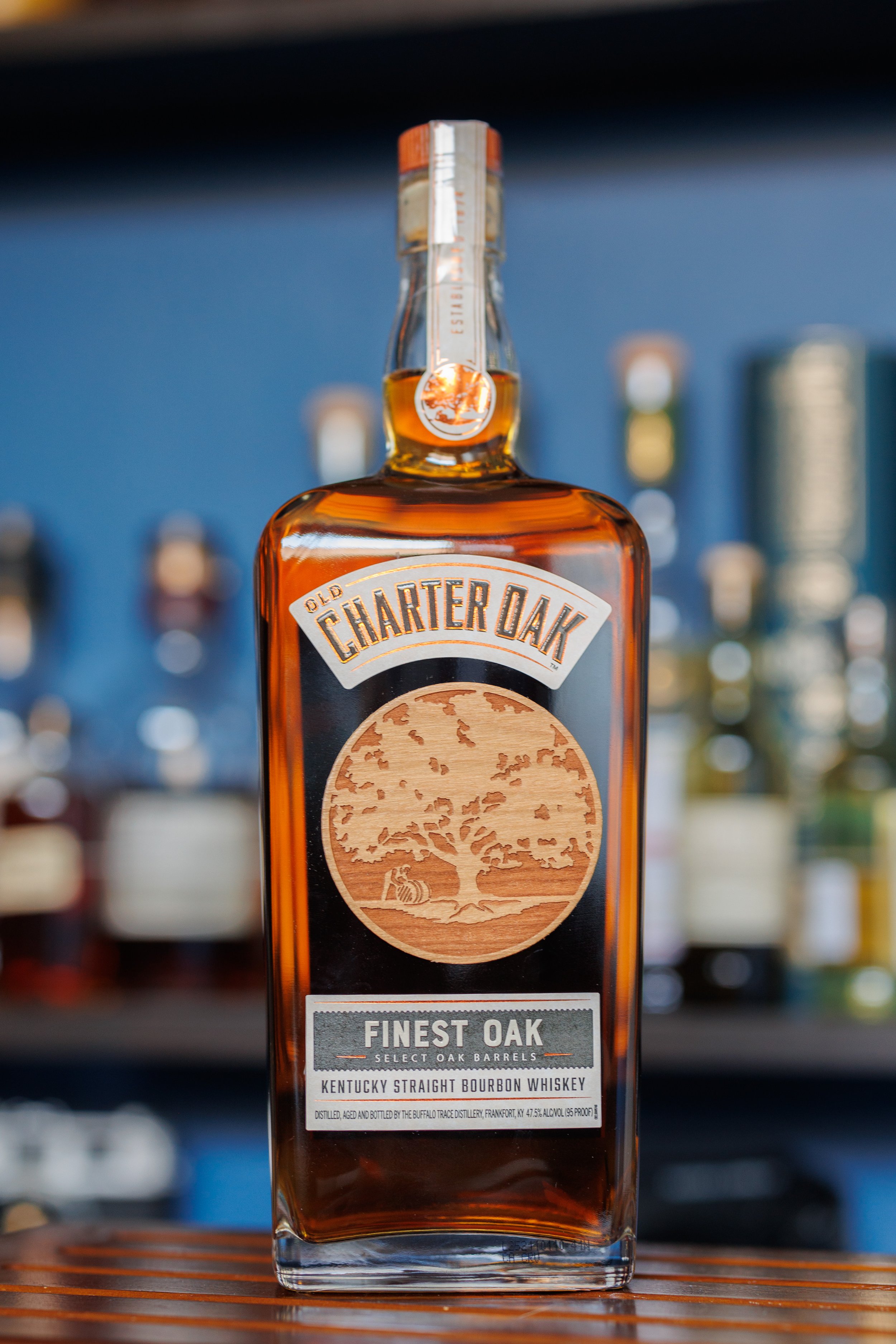
Age: Non-Age Stated
ABV: 47.5%
Cask: New oak barrels selected from Canton Cooperage
MSRP: $80
Distillery Name: Buffalo Trace Distillery
Review Date: 5/27/26
Color: Rich, deep caramel
Nose: Even on the first whiff, it’s hard to escape the heavy oak influence. The nose begins as decadent, rich, and full of heavy notes that seem to struggle to escape out of the glass. It’s full of freshly made caramel, cherry, heavy oak, and chocolate lava cake. As it settles in the glass, more rich leather, antique wood, and a pop of astringency greet you.
Palate: The palate is classic Buffalo Trace: it’s heavily toasted oak, melted butterscotch, cherry cordial, with touch of grape juice that give way to waves of rich fudge. In the midpalate there’s a streak of mineral water and cotton candy brightness, but it quickly eases back into a well-balanced oily mouthfeel.
Finish: Short finish that struggles compared to the nose. The oak turns from fruity to tired, with a splash of spice that quickly disappears and leaves little between sips.
Final Thoughts: Amongst the flood of Buffalo Trace entering the market, is Old Charter Oak Finest Oak the one to seek out? Probably not. But if you are looking for an oakier yet reasonably priced, version of some of BT - then this is your best bet. The nose is fantastic, with rich notes of well-integrated oak, chocolate, cherry, and leather. But the finish struggles with a short, one-dimensional profile. At times, this felt very similar to Eagle Rare 12 – and with a similar proof, and that classic Buffalo Trace profile - I’d grab whatever is more affordable and easier to acquire. Then settle in for an evening reminiscing about what it was like before good bourbon was a measure of commitment.