Glenfarclas 10 Year Shelf Review
Shelf Review
Designed to give you all the quick hit information you need when you’re standing in front of your local liquor store’s whisky shelf.
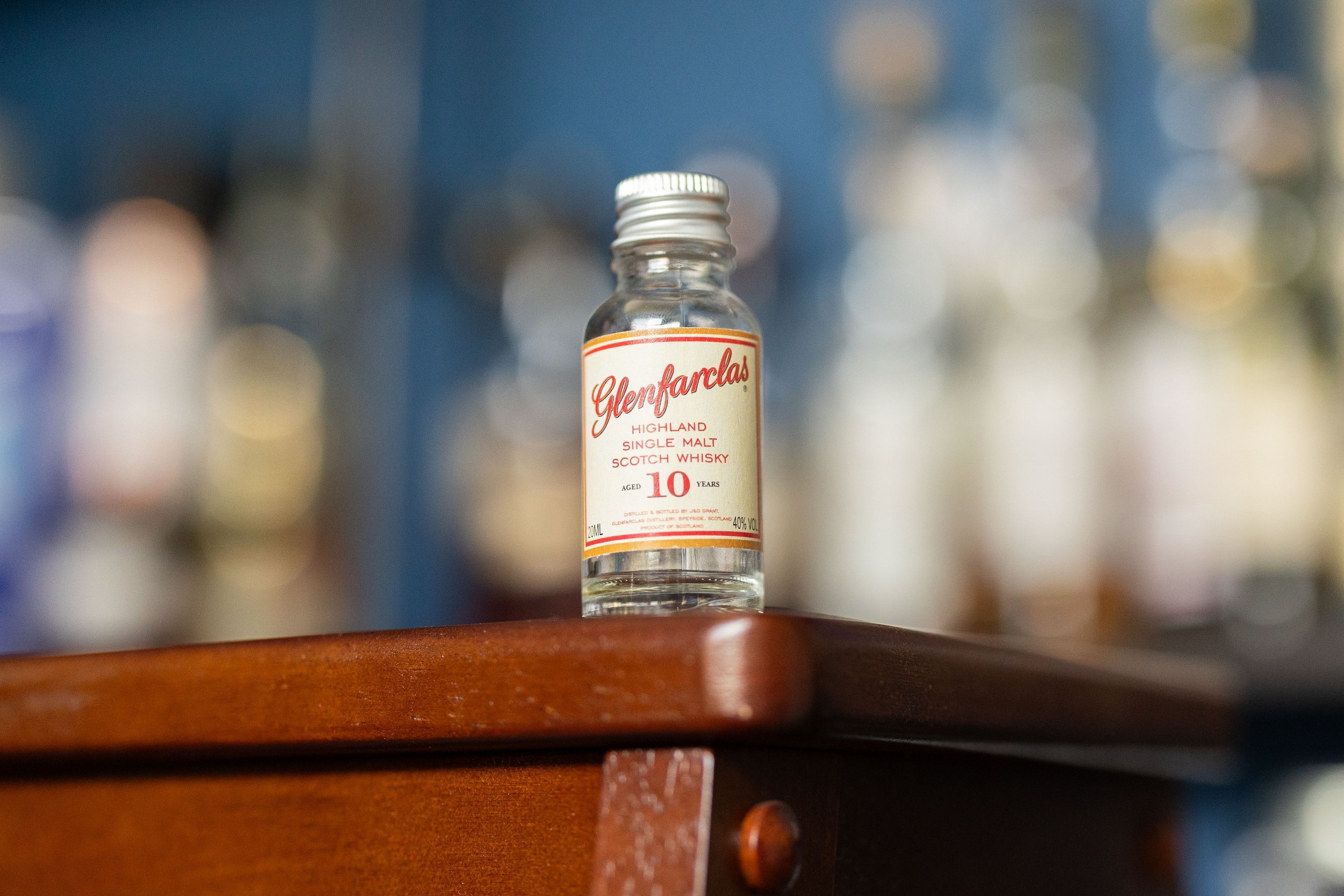
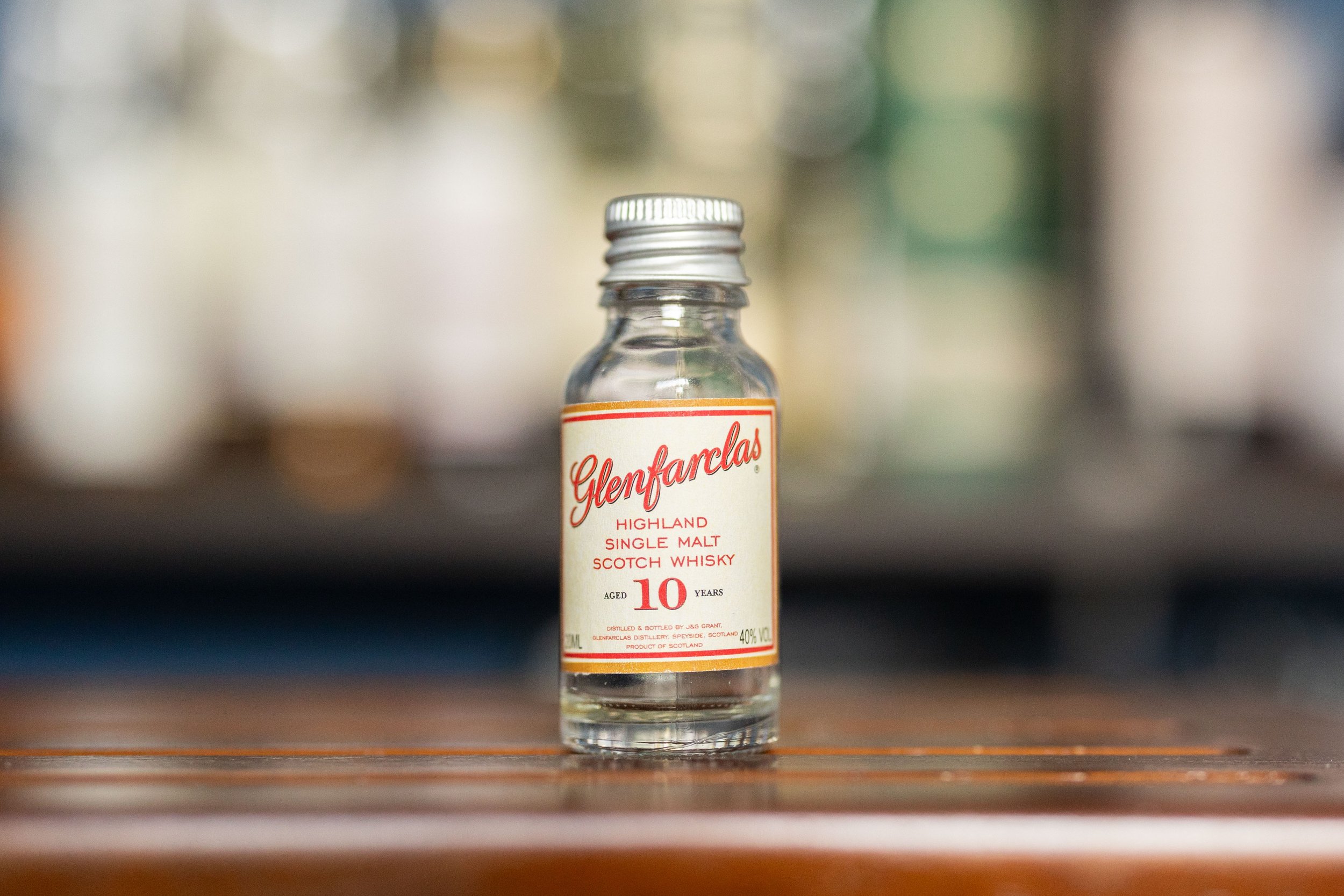
Glenfarclas is one of the last independent, family run distilleries in Speyside. Known for using almost exclusively sherry casks, Glenfarclas has consistently created excellent expressions that provide remarkable value in today’s scotch market. Take Glenfarclas 25 year – which up until a few years ago was easy to grab for under $200. Even at its price today of around $250, it’s hard to imagine any other official distillery bottling coming close to its age and its exclusively Oloroso casks maturation for that price. But what happens when you start oat the beginning of the range with their 10 year expression? I picked up this mini of the 10 year and was immediately surprised by its extraordinarily light color and its lower than typical for Glenfarclas ABV of 40%. But color hardly tells the whole story – so let’s dive in and find out what Glenfarclas’ youngest age stated expression brings to the table.
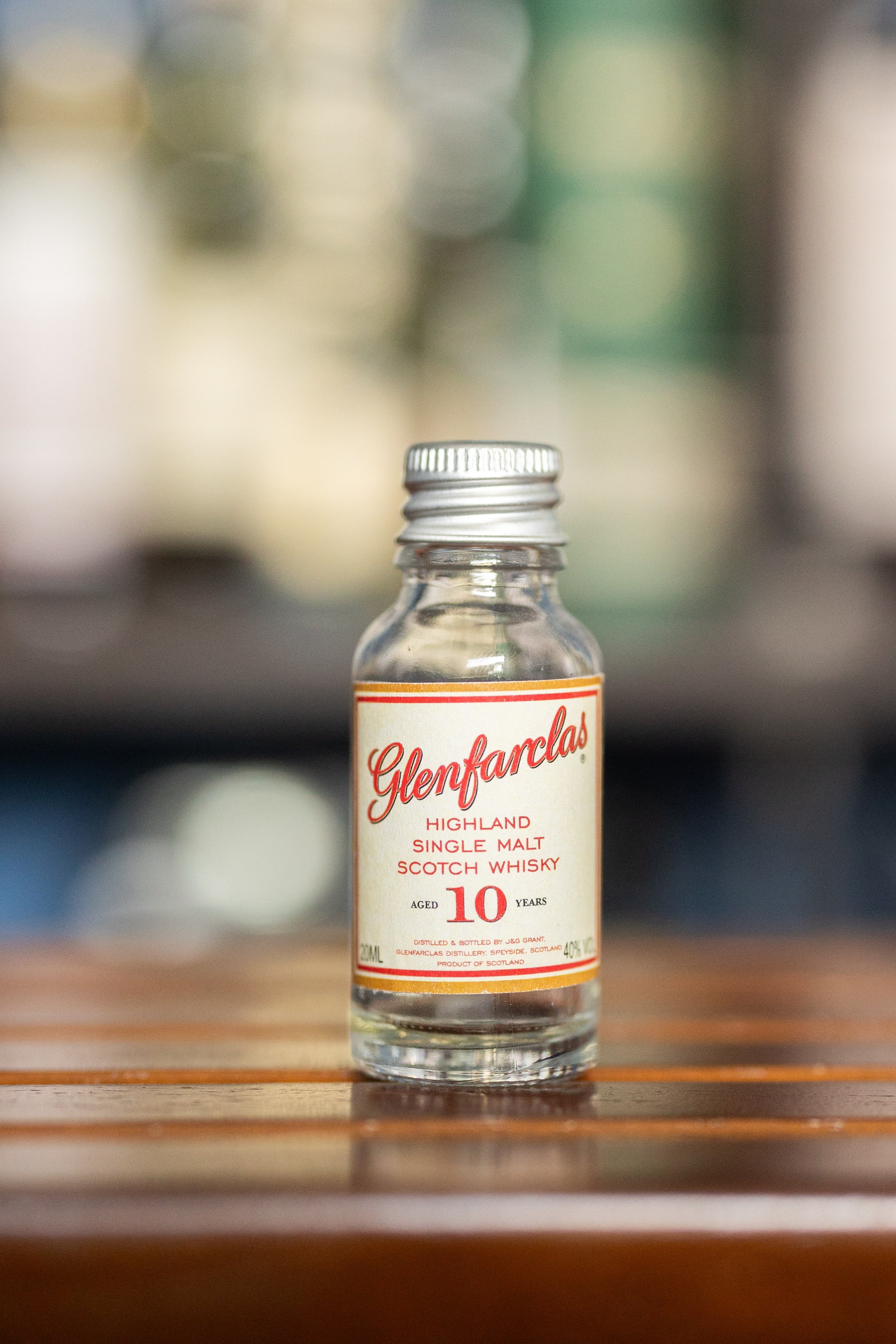
Age: 10 Years
ABV: 40%
Cask: Aged in Oloroso sherry casks
MSRP: $60
Distillery Name: Glenfarclas Distillery
Review Date: 3/26/26
Nose: Musty old paper, earthy undercooked rye bread, with honey and fresh cut grass. Not great.
Palate: Mineral, youthful, full of uncooked barley and iron with a splash of apple. Mouthfeel is better than expected with a soft, mouth coating texture.
Finish: Short finish with tired oak, vanilla frosting, and more grass.
Score: 77
Would I buy again? It pains me to say this – but Glenfarclas 10 is the most disappointing pour I’ve had so far in 2026. One of my favorite distilleries in Speyside, Glenfarclas hardly ever misses – but this younger expression feels incomplete. The casks are clearly tired which means it struggles to deliver any of the classic notes the distillery has become known for. While color is never the whole story – my suspicions around its dangerously light hue were well founded. I wouldn’t grab a bottle of this 10 year for even half its typical MSRP. Spend the $10 or so more and get their 12-year expression – because that’s where the core range probably should start.